Indian boxing has enjoyed a remarkable year in 2026, producing some of its most significant results across major international competitions. From rewriting records at the Commonwealth Games to topping the boxing medal table at the Asian Games, and securing India’s first-ever boxing gold medals at the Youth Olympic Games, there have been several important milestones.
What makes this year particularly encouraging is not just the number of medals India has won, but the level of competition at which some of these achievements have come. Indian boxers have demonstrated their ability to compete against some of the strongest nations in the sport, while the performances at the junior level have offered further reasons for optimism.
A record-breaking campaign at the Commonwealth Games
India’s boxing campaign at the 2026 Commonwealth Games was outstanding. The Indian contingent finished at the top of the boxing medal table with seven gold and three silver medals, winning 10 medals in total.
However, the biggest talking point was the number of gold medals. India’s seven gold medals were the most won by any country in boxing at a single edition of the Commonwealth Games, surpassing the previous record of six. In other words, India produced the greatest boxing performance by any country in Commonwealth Games history in terms of gold medals.

Another remarkable aspect was that all 10 Indian boxers who competed in the finals won medals, with seven emerging as champions.
Preeti Pawar (54kg), Jaismine Lamboria (57kg), Sakshi Chaudhary (51kg), Priya Ghanghas (60kg), Arundhati Choudhary (70kg), Sachin Siwach (60kg) and Ankush Panghal (80kg) won gold medals. Lovlina Borgohain (75kg), Jadumani Singh (55kg) and Narender Berwal (90+kg) finished with silver medals.
Of course, the level of competition at the Commonwealth Games was not comparable to what Indian boxers would face in Asia. Several of the strongest boxing nations in the world were not part of the competition. Therefore, while the Glasgow performance was exceptional, the Asian Games would provide a much better indication of India’s actual standing in international boxing.
Indian boxing tops the Asian Games medal table for the first time
If the Commonwealth Games provided an encouraging start, the 2026 Asian Games offered a much stronger test of India’s progress. Indian boxers responded brilliantly, finishing at the top of the boxing medal table for the first time with three gold and three bronze medals.

This achievement deserves particular attention because Asia has an exceptionally high concentration of world-class boxing nations. Uzbekistan, China, Kazakhstan and Chinese Taipei are among the strongest forces in international boxing.
Just look at the Paris 2024 Olympics. Nine of the 13 boxing gold medals were won by Asian countries. Uzbekistan alone won five gold medals, China won three and Chinese Taipei won one. Uzbekistan has established itself as a powerhouse in men’s boxing, while China has become one of the strongest forces in women’s boxing. Kazakhstan and Chinese Taipei are also consistently competitive at the highest level.
Therefore, India’s performance at the Asian Games carries a different significance from its Commonwealth Games success. This was an opportunity to measure the country’s progress against some of the strongest boxing nations in the world, and India finished above all of them in the medal standings.
There were several outstanding individual performances. Ankush Panghal’s victory in the men’s 80kg category was particularly significant, especially after he defeated reigning world champion Fazliddin Erkinboev of Uzbekistan in the semifinals. He eventually secured gold in the final.
Lovlina Borgohain also added another major achievement to her already remarkable career by winning her first Asian Games gold medal in the women’s 75kg category. Having previously won an Olympic bronze medal and World Championship titles, this was another important milestone for one of India’s most accomplished women boxers.
Parveen Hooda completed India’s gold-medal-winning trio with an impressive campaign in the women’s 65kg category.
But the importance of this campaign was not restricted to the three gold medallists. India also secured three bronze medals, taking its overall tally to six. A strong boxing programme cannot be judged only by the performances of one or two established names. It is equally important to have multiple boxers capable of progressing deep into major competitions and challenging strong international opponents. India’s six-medal campaign offered encouraging evidence of that depth.
The Asian Games have therefore provided a much stronger validation of India’s Commonwealth Games performance. The competition was tougher, the opposition was stronger, and India still finished at the top of the medal table.
Success at the junior level
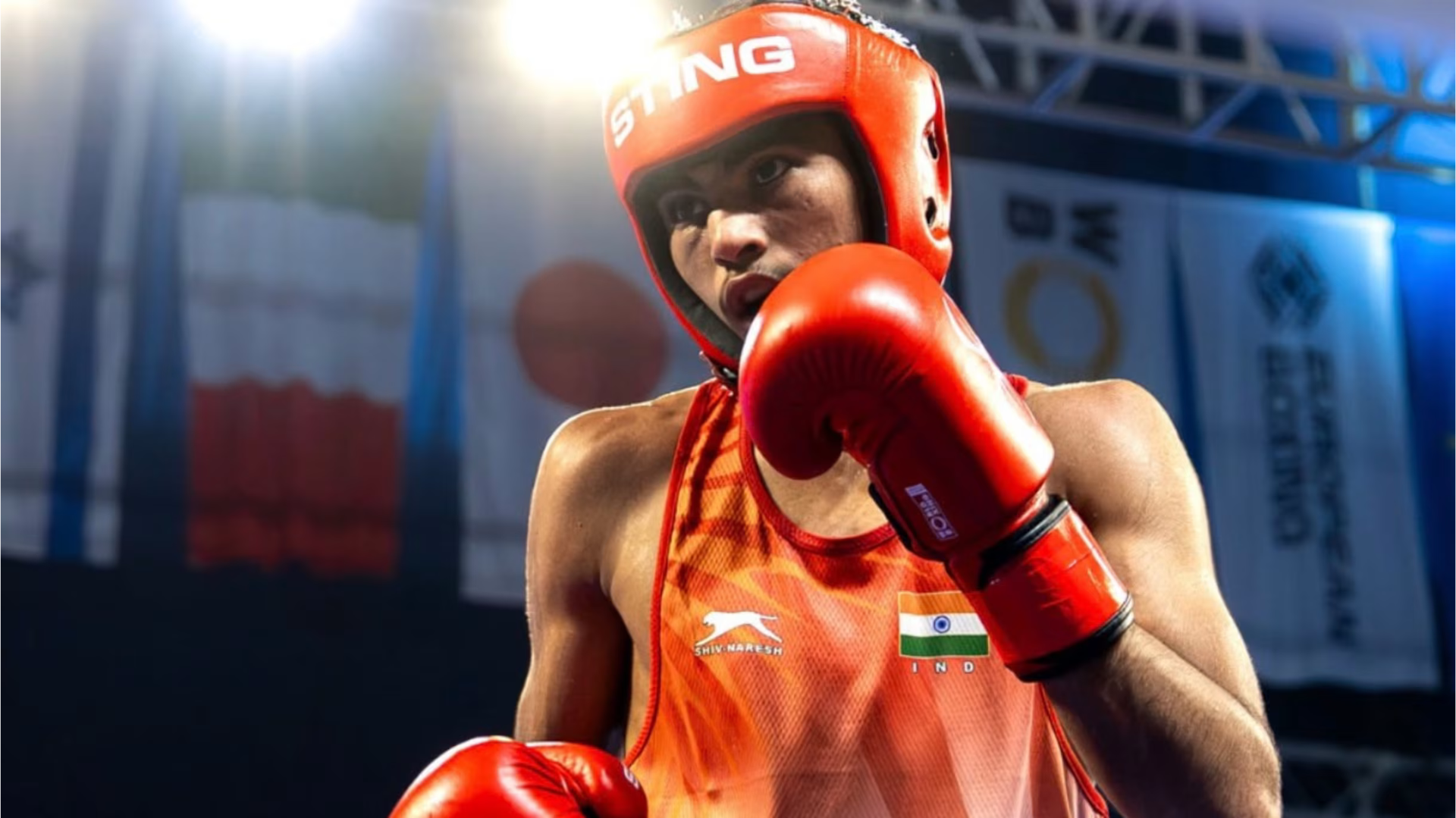
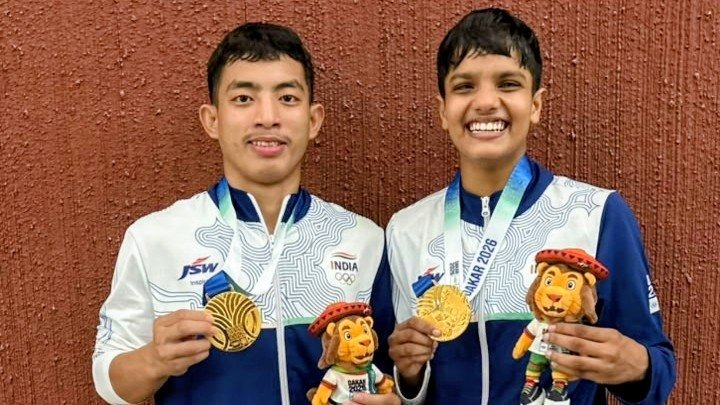
India also achieved some significant milestones at the junior level in 2026. The biggest highlight came at the Youth Olympic Games in Dakar, where India won its first-ever boxing gold medals at the competition.
Lairenlakpam Ambekar Meetei won gold in the men’s 50kg category, defeating Ireland’s Kristian Jubani 3-2 in the final. Gunjan then added another gold in the women’s 48kg category with a 5-0 victory over Algeria’s Bouthaina Bensalah. This was particularly significant as India had never won a boxing gold at the Youth Olympic Games before, and both its representatives finished on top of the podium.
India also had a successful campaign at the World U-19 Championships in Montenegro, finishing with four medals. Aditya won gold in the men’s 55kg category, while Megha Sheokand secured silver and Harshika and Prachi Tokas added two bronze medals.
These results are encouraging, particularly because they demonstrate that India is producing promising boxers capable of competing successfully at the international level from an early age.
What next for Indian boxing?
Looking at the overall picture, 2026 has been a particularly important year for Indian boxing. The country has produced the greatest boxing gold-medal haul by any nation at a Commonwealth Games, topped the Asian Games boxing medal table for the first time, won a world U-19 title and secured its first-ever boxing gold medals at the Youth Olympic Games.
However, the real challenge now is to maintain this momentum. Indian boxing needs to produce consistent performances in the coming year, particularly at the World Championships, and continue competing for medals against the strongest boxing nations.
Another important target will be securing Olympic quota places as early as possible in the qualification cycle. Getting qualification places early would allow Indian boxers to plan their preparations with greater clarity and focus on their Olympic ambitions.
India also needs to continue developing depth across weight categories and ensure that promising junior boxers successfully transition into the senior circuit.
There is plenty to celebrate from 2026, but the focus should now shift towards building on these achievements. The next step for Indian boxing is to turn this remarkable year into sustained success at the World Championships and, ultimately, the Olympic Games.
By Aayush