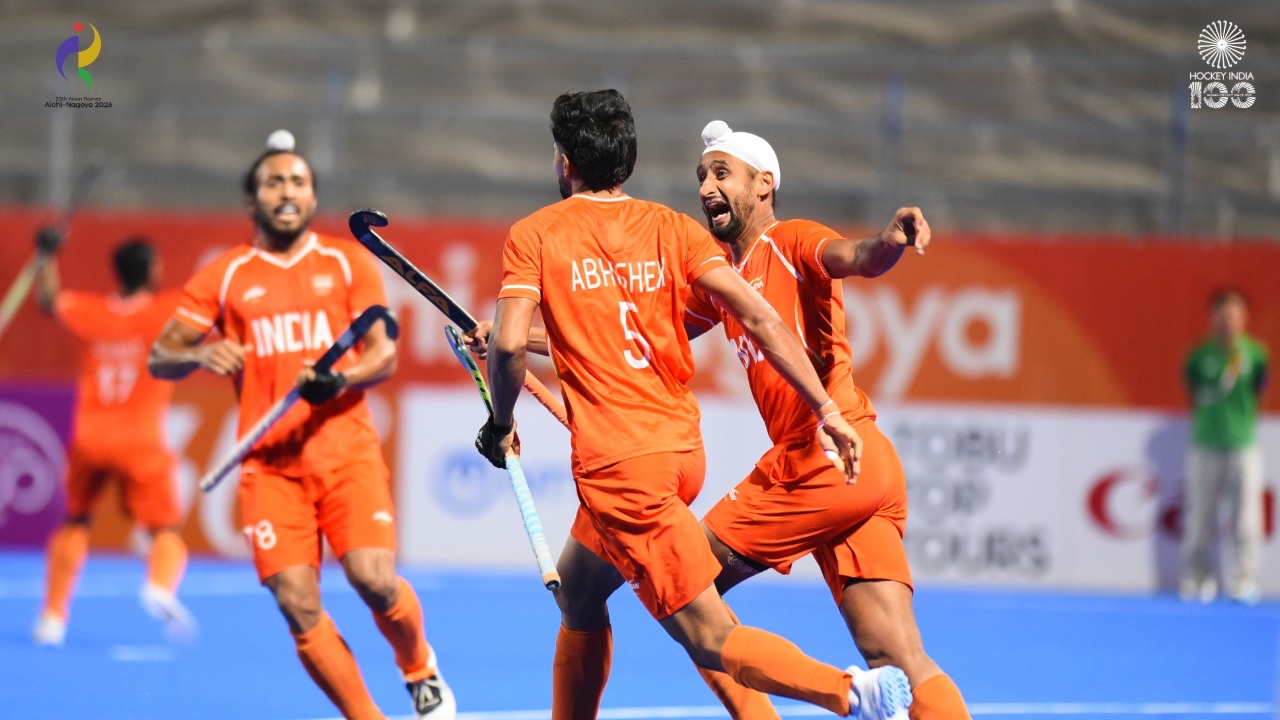
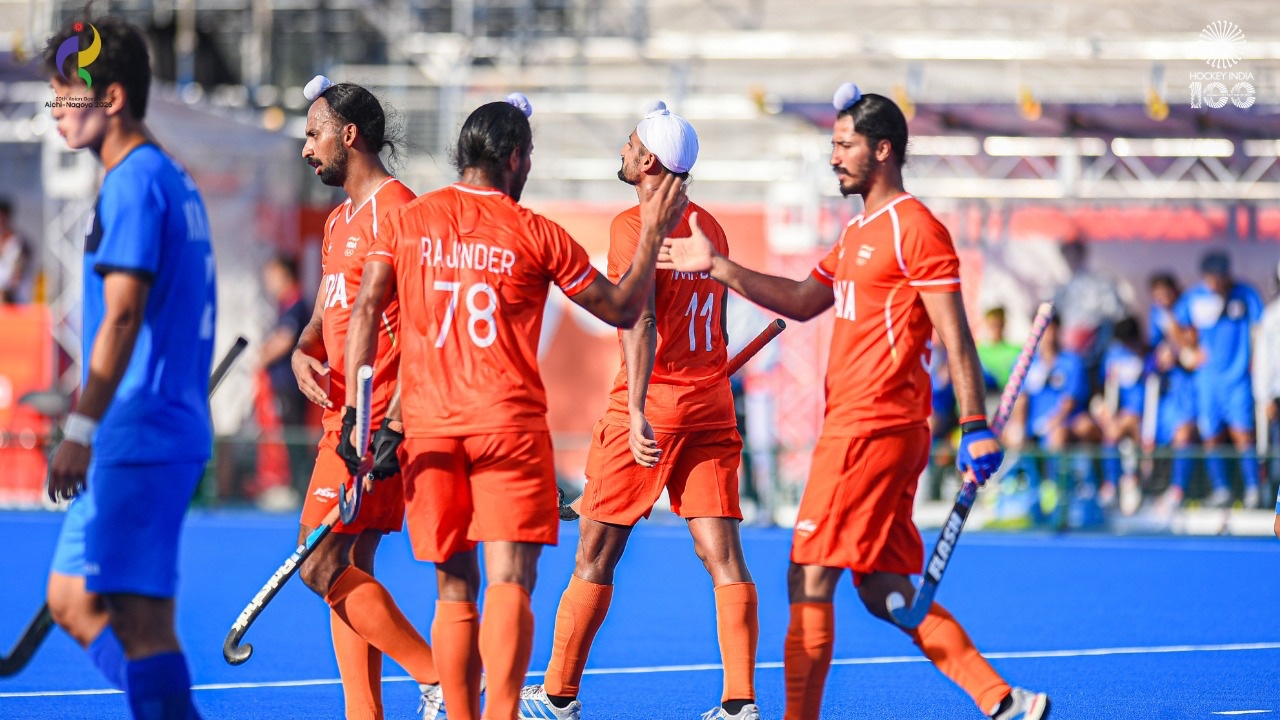
When discussing field hockey, India’s record of eight Olympic gold medals naturally takes center stage. However, the nation’s history in the FIH Men’s Hockey World Cup—a tournament co-founded in 1971 following a joint proposal by India and Pakistan—tells a far more complex story. It is a narrative defined by early dominance, decades of tactical adjustments, and a renewed quest to reclaim world glory.
The Golden Era (1971–1975)
The inaugural years of the World Cup saw India firmly established as an international powerhouse. Across the first three editions, the Indian national team secured a complete set of podium finishes:
- 1971 (Barcelona): India earned Bronze after edging out Kenya 2-1 in a grueling extra-time playoff, having narrowly missed the final following a 1-2 semi-final loss to Pakistan.
- 1973 (Amsterdam): Reaching the final after defeating Pakistan 1-0 in the semi-finals, India claimed Silver. The final against hosts Netherlands ended 2-2 before going to a heart-wrenching penalty shootout.
- 1975 (Kuala Lumpur): The pinnacle of India’s World Cup history. Captained by Ajit Pal Singh, Team India rallied back in the final against arch-rivals Pakistan. Goals from Surjit Singh and Ashok Kumar sealed an iconic 2-1 victory, lifting India’s first and only World Cup trophy to date.
Decades of Transition (1978–2014)
Following the 1975 triumph, the global hockey landscape shifted dramatically. The introduction of synthetic turf (AstroTurf) favored physical endurance, tactical structure, and set-piece power over traditional grass-surface stickwork. India struggled to find consistency, leading to a long drought from the final four:
| Edition | Host City | Result | Key Context |
| 1978 | Buenos Aires | 6th Place | Missed the semi-finals following a heavy group-stage defeat to West Germany. |
| 1982 | Mumbai | 5th Place | First time hosting; top scorer Rajinder Singh Sr. bagged 12 goals. |
| 1986 | London | 12th Place | Last-place finish, though Mohammad Shahid won Player of the Tournament. |
| 1990 | Lahore | 10th Place | Earned the FIH Fair Play Award amidst high-pressure hostile conditions. |
| 1994 | Sydney | 5th Place | Best performance on artificial turf up to that point. |
| 1998 | Utrecht | 9th Place | Led by Dhanraj Pillay during European-dominated tournament conditions. |
| 2002 | Kuala Lumpur | 10th Place | Tournament expanded to 16 teams. |
| 2006 | Mönchengladbach | 11th Place | Continued group-stage struggles. |
| 2010 | New Delhi | 8th Place | Hosted in the capital; failed to reach knockouts. |
| 2014 | The Hague | 9th Place | Subdued performance in joint men’s/women’s event. |
The Modern Resurgence (2018–2023)
In recent years, structural reforms, elite physical conditioning, and high-performance tactical setups under top foreign coaching brought a resurgence:
- 2018 (Bhubaneswar): Hosting the tournament in Odisha, India topped its pool unbeaten to qualify for the quarter-finals for the first time under the modern format, eventually finishing 6th after a narrow 1-2 loss to eventual runners-up Netherlands.
- 2023 (Bhubaneswar-Rourkela): Despite entering as Olympic bronze medalists, India’s campaign halted in the crossover stage via a penalty shootout loss to New Zealand, finishing 9th overall.
2026 World Cup Outlook & Predictions
As the 2026 FIH Men’s World Cup in Belgium and the Netherlands gets underway, Team India—led by Harmanpreet Singh—enters with realistic podium ambitions backed by consecutive Olympic medals. However, the campaign faces a drastically restructured tournament layout:
- The New Crossover Format: FIH has eliminated the quarter-final stage. The top two teams from Pool D (India, England, Pakistan, Wales) progress directly into a second-stage Crossover Pool (Pool E), carrying forward their head-to-head points. Only the top two teams from Pool E reach the semi-finals.
- Tactical Outlook: Under head coach Craig Fulton, India’s high-press, counter-attacking system has yielded major wins against top-ranked sides. However, converting penalty corners consistently and maintaining defensive discipline in back-to-back high-stakes matches will determine whether they make the final four.
The Verdict: With no safety net in the group stages, every match carries knockout intensity. If India can secure early points against pool rivals England and Pakistan to carry into Phase 2, they stand a strong chance of breaking their 51-year World Cup medal drought and reaching the semi-finals.